






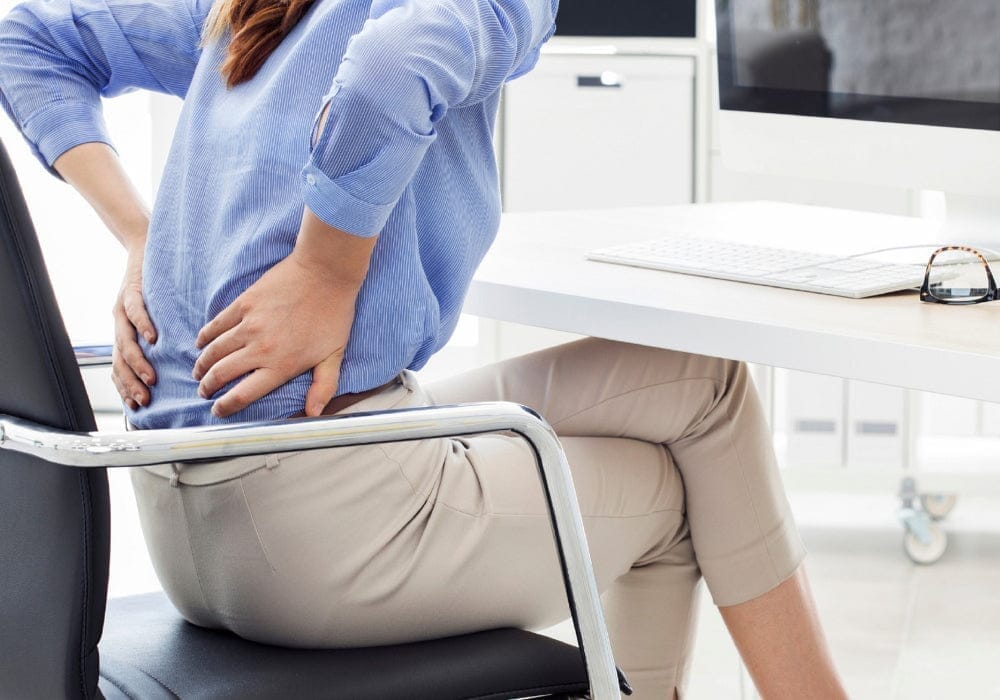
We usually treat back pain like a localized fire—we focus entirely on where it hurts. But your body doesn’t work in silos; it’s a kinetic chain. Often, the real culprit isn’t your back at all—it’s the muscles downstairs that have checked out for the day.
If you’ve been feeling a nagging ache in your lumbar spine, it might be time to talk about Gluteal Amnesia, more colorfully known as “Dead Butt Syndrome.”
The Anatomy of Forgetfulness
In 2024, the New York Times spotlighted this phenomenon, and the name says it all. Your glutes (the maximus, medius, and minimus) are designed to be the powerhouses of your body. They stabilize your hips, lift your legs, and keep your stride steady.
However, when you spend 2–3 hours straight glued to a desk chair or a car seat, these muscles essentially “forget” how to work.
Why does this matter for your back?
- The Domino Effect: When your glutes go on strike, your body recruits “scab” labor. Your hamstrings and lower back muscles try to do a job they weren’t built for.
- The Pelvic Tilt: Chronically tight hamstrings (from too much sitting) pull on your pelvis, tilting it out of alignment and putting a constant, stressful arch in your lower back.
- Collateral Damage: Beyond back pain, “dead butt” is a leading contributor to sciatica, shin splints, and even knee arthritis.
The “Numb Arm” Myth
Gluteal amnesia isn’t that tingly “pins and needles” feeling you get when your arm falls asleep. It’s much subtler—and more stubborn. You might just feel a dull ache after a hike or a light jog. It’s not that the nerves are compressed; it’s that the neuromuscular connection has gone dormant.
Take the Test: Do You Have a Dead Butt?
You don’t need a lab to check your glute health. Try this simple DIY diagnostic:
- The Dangle: Stand on one leg (use a step and hold a railing for balance). Let the other leg hang loose. Poke your glute on the hanging side—it should feel soft.
- The Squeeze: Now, stand on both feet and squeeze your “cheeks” as hard as you can.
- The Result: Do they firm up instantly? Or does it take a second (or a few pulses) for the muscle to actually “wake up” and contract? If there’s a delay, your glutes might be suffering from amnesia.
How to Wake Up Your Glutes
The good news? You can “remind” your brain that your glutes exist.
- The 50-Minute Rule: Set a phone alarm. Every 50 minutes, stand up. Lightly tap your glute muscles with your fingertips—this tactile feedback tells your brain, “Hey, use this part!”
- Active Breaks: Don’t just stand; move. March in place, do some hip circles, or perform a few squats. The secret sauce: Consciously squeeze your glutes during every movement.
- The Glute Workout: Incorporate “waking” exercises into your routine, such as:
- Clamshells
- Hip thrusts
- Single-leg glute bridges
- Side planks
When to See a Professional
If you’ve tried the squats and the “wake-up calls” but the pain persists, there might be a deeper alignment issue at play. The Doctors at Corner on Wellness Chiropractic Center can help reset that kinetic chain through mobilization or manipulative therapy, ensuring your joints and nervous system are communicating properly.
Understanding how your glutes affect your back can be a bit of a “head-scratcher” (or a “glute-squeezer”). Here are the most common questions about Dead Butt Syndrome and how to fix it.
Technically known as Gluteal Amnesia, it’s a condition where your gluteal muscles lose their ability to fire or contract correctly. This usually happens because the muscle is overstretched and inactive for long periods (like sitting at a desk), causing the brain to “forget” how to recruit it during movement.
When you sit, your hip flexors (at the front of your hip) stay in a shortened, tight position. Through a process called reciprocal inhibition, when the muscles on one side of a joint are tight, the muscles on the opposite side (your glutes) are neurologically signaled to relax. Over time, your glutes essentially stay “turned off” even when you stand up.
Yes. Even athletes can suffer from this. If you sit for eight hours a day and then head to the gym for an hour, your glutes might remain dormant during your workout. Without conscious activation, your body will “cheat” by using your lower back and hamstrings to perform exercises like squats or lunges, which can lead to injury.
No. When your leg “falls asleep,” it’s usually due to temporary nerve compression or restricted blood flow that resolves in seconds. Gluteal amnesia is a neuromuscular inhibition—the muscle is physically there, but the “signal” from your brain to the muscle is weak or delayed.
It varies, but many people feel a difference in their back pain within 1–2 weeks of consistent daily activation (like the 50-minute rule mentioned above). The goal is to build a better mind-muscle connection, which requires frequent, short bursts of activity rather than one long workout.
If you are performing glute-strengthening exercises but still feeling sharp pain, numbness down your leg (sciatica), or if your back feels “stuck,” it’s time to see a professional. A chiropractor can ensure your pelvis and spine are properly aligned so that your glutes actually can fire effectively.
CONTACT
Better health and wellness is just a click or call away
UPCOMING EVENTS
CLOSED
February 28CLOSED
March 7Daylight Savings Time Begins
March 8Dr Shay AM ONLY
March 11